How to Maintain Legal Liability Protection
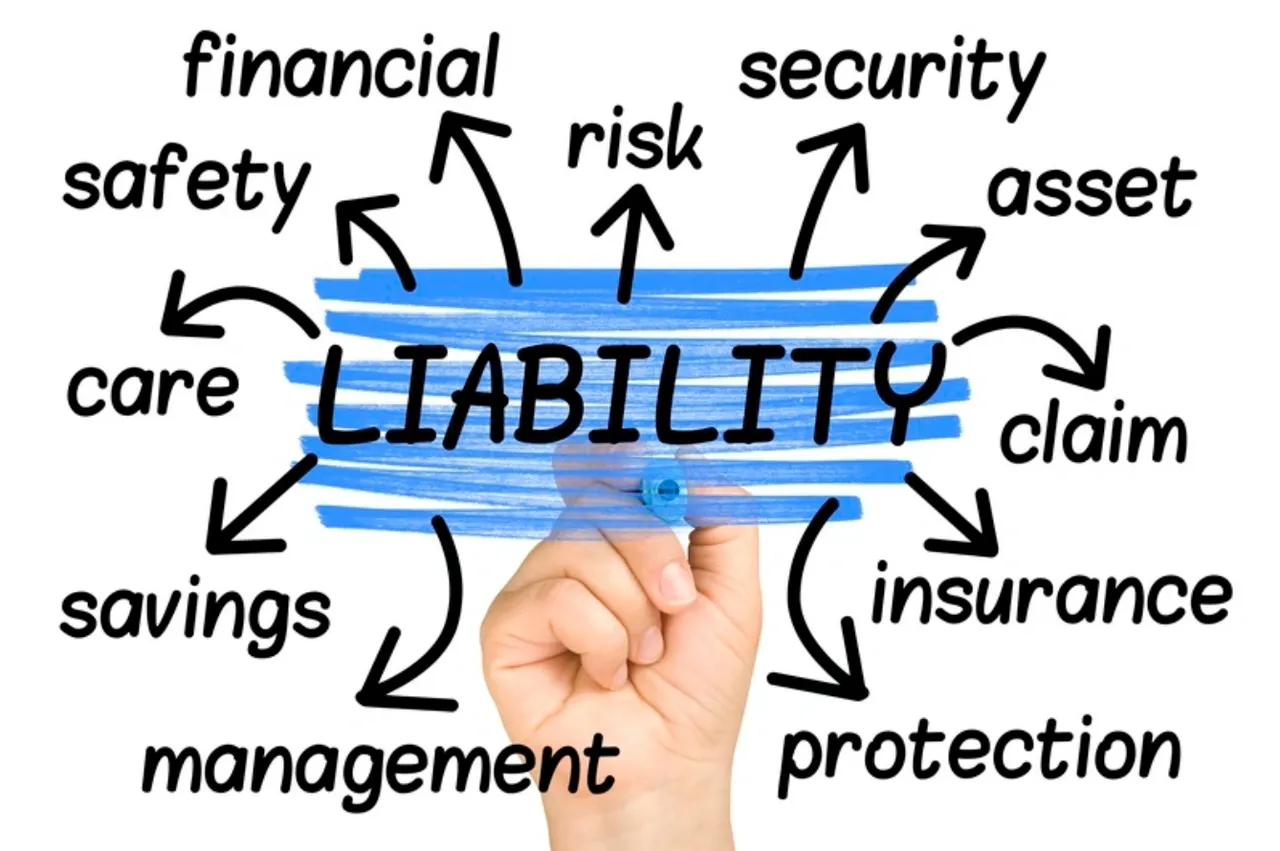
One of the biggest advantages of forming an LLC (Limited Liability Company) or Corporation is the legal protection it provides against personal liability. However, simply creating an LLC or corporation is not enough—you must actively maintain this protection to ensure your personal assets remain separate from business liabilities. If you fail to follow proper procedures, you risk piercing the corporate veil, which could leave you personally responsible for business debts and lawsuits.
Here’s how to protect your LLC or corporation and maintain your limited liability status.
1. Keep Business and Personal Finances Separate
One of the biggest mistakes business owners make is mixing personal and business finances. To maintain liability protection:
- Open a separate business bank account and use it for all business transactions.
- Get a business credit card to cover company expenses.
- Avoid using personal accounts for business purchases (and vice versa).
- Keep detailed records of all transactions.
2. Maintain Proper Corporate or LLC Records
Good record-keeping is essential to proving that your business is a separate legal entity. Depending on your structure, follow these requirements:
- LLCs: Keep an operating agreement, financial records, and meeting notes (if required by state law).
- Corporations: Hold annual shareholder and director meetings, maintain meeting minutes, and keep records of major decisions.
Failing to document your business activities properly could weaken your liability protection in a lawsuit.
3. Follow State Filing and Compliance Requirements
Every state requires LLCs and corporations to file periodic reports, fees, and tax filings to remain in good standing. Failing to meet these obligations can result in penalties or even the dissolution of your business.
Common requirements include:
- Annual or biennial reports (varies by state)
- State and federal taxes (income tax, payroll tax, sales tax, etc.)
- Business licenses and permits (ensure they’re up to date)
If your business falls out of compliance, your LLC or corporation may be dissolved, leaving you personally liable.
4. Sign Contracts and Documents Correctly
When signing contracts, always sign on behalf of the business, not as an individual.
- Incorrect: John Doe (signature)
- Correct: John Doe, CEO of XYZ LLC (signature)
Signing as an individual can expose your personal assets to liability. Always make it clear that the business—not you personally—is responsible for obligations.
5. Have an Operating Agreement or Corporate Bylaws
Even if your state doesn’t require an operating agreement (LLCs) or corporate bylaws (corporations), having one strengthens your liability protection. These documents:
- Define how the business is run
- Outline roles of owners/shareholders
- Show that the business is a legitimate entity
A lack of proper business governance can be used against you in a lawsuit.
6. Keep Business Insurance Coverage
Even with an LLC or corporation, lawsuits and claims can happen. Consider these essential business insurance policies:
- General liability insurance (covers lawsuits, property damage, and injuries)
- Professional liability insurance (for service-based businesses)
- Workers’ compensation insurance (if you have employees)
Having the right coverage ensures that your business—not your personal assets—handles financial risks.
7. Avoid Personal Guarantees on Business Debts
Banks and lenders often require a personal guarantee when you apply for a business loan or credit line. This means you are personally responsible for repaying the debt if the business cannot.
To protect yourself:
- Avoid signing personal guarantees whenever possible.
- Build your business credit so lenders only look at your company’s financials.
8. Don’t Commit Fraud or Negligence
If a court finds that you used your LLC or corporation to commit fraud or reckless behavior, they can pierce the corporate veil and hold you personally liable. To avoid this:
- Be honest and transparent in business dealings.
- Follow contracts and agreements.
- Pay taxes and debts on time.
Final Thoughts
Forming an LLC or corporation is just the first step in protecting your personal assets. To keep your limited liability protection intact, follow compliance rules, separate business and personal finances, maintain records, and act in the best interest of your business. By staying proactive, you can minimize risks and safeguard both your business and personal wealth.
Need help ensuring your LLC or corporation is fully protected? Contact a legal or financial expert to review your compliance and risk management strategies!

Leave a Reply