Maximizing Tax Savings with Bonus Depreciation
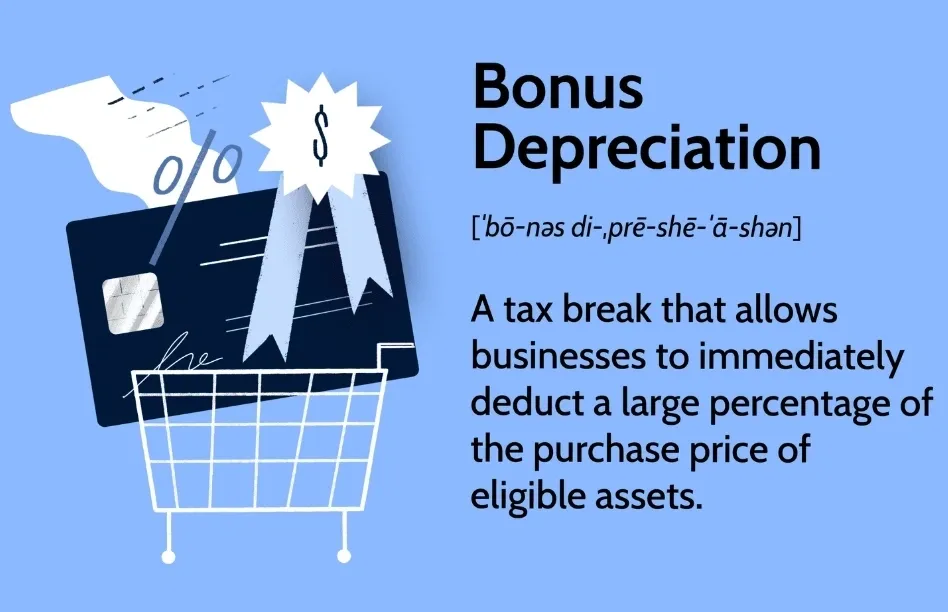
For business owners and investors, tax deductions play a crucial role in managing cash flow and maximizing profits. One of the most valuable deductions available is bonus depreciation, which allows businesses to deduct a significant portion of the cost of eligible assets in the year they are placed in service. Understanding how bonus depreciation works and how to leverage it can lead to substantial tax savings.
What is Bonus Depreciation?
Bonus depreciation is a tax incentive that enables businesses to immediately deduct a large percentage of the cost of qualifying business assets rather than spreading the deduction over multiple years. This accelerated depreciation method was enhanced under the Tax Cuts and Jobs Act (TCJA) of 2017, allowing for 100% bonus depreciation on eligible assets acquired and placed in service between September 27, 2017, and January 1, 2023.
However, beginning in 2023, the bonus depreciation rate started phasing down as follows:
- 2023: 80% bonus depreciation
- 2024: 60% bonus depreciation
- 2025: 40% bonus depreciation
- 2026: 20% bonus depreciation
- 2027 and beyond: 0% bonus depreciation (unless Congress extends the benefit)
What Assets Qualify for Bonus Depreciation?
To take advantage of bonus depreciation, an asset must meet the following criteria:
- The property must have a useful life of 20 years or less (as defined by the IRS).
- The asset must be new or used (provided it is “new to you” and was not previously owned by a related party).
- Eligible property includes:
- Machinery and equipment
- Vehicles used for business (with some limitations)
- Computers and software
- Office furniture
- Certain improvements to commercial buildings (e.g., HVAC systems, roofing, security systems)
How Bonus Depreciation Benefits Businesses
- Immediate Tax Savings: Rather than waiting several years to recover the cost of a purchase, businesses can deduct a large portion in the first year, reducing taxable income.
- Encourages Business Growth: Businesses can reinvest the tax savings into expansion, hiring, or additional capital expenditures.
- Flexibility for Business Owners: Unlike Section 179 deductions (which have limits and restrictions based on business income), bonus depreciation does not have an income limit, making it beneficial for businesses of all sizes.
How to Claim Bonus Depreciation
To claim bonus depreciation, businesses report the deduction on IRS Form 4562, which is filed with the tax return. Proper documentation is essential, including invoices and purchase agreements that demonstrate when the asset was acquired and placed in service.
Should You Take Bonus Depreciation or Use Section 179?
Both bonus depreciation and Section 179 offer accelerated deductions, but they have key differences:
- Section 179 allows businesses to deduct the full cost of qualifying assets, but it is limited to $1,220,000 in 2024 and is subject to income limitations.
- Bonus depreciation does not have a dollar limit or income restrictions, making it a better option for businesses with significant asset purchases.
Plan Ahead for Future Bonus Depreciation Changes
Since the 100% bonus depreciation rate began phasing down in 2023, businesses should plan capital expenditures accordingly. If you’re considering large asset purchases, it may be wise to act sooner to maximize your deductions before the rate continues to decline.
Final Thoughts
Bonus depreciation is a powerful tool for reducing taxable income and improving cash flow, but its benefits are gradually decreasing. Understanding how it works and strategizing your purchases can help you maximize savings. Consulting a tax professional can ensure you take full advantage of this valuable tax incentive while staying compliant with IRS regulations.
Need help optimizing your tax deductions? Contact our team today to make the most of your tax-saving opportunities!

Leave a Reply