When to Elect an S Corporation to Maximize Tax Savings
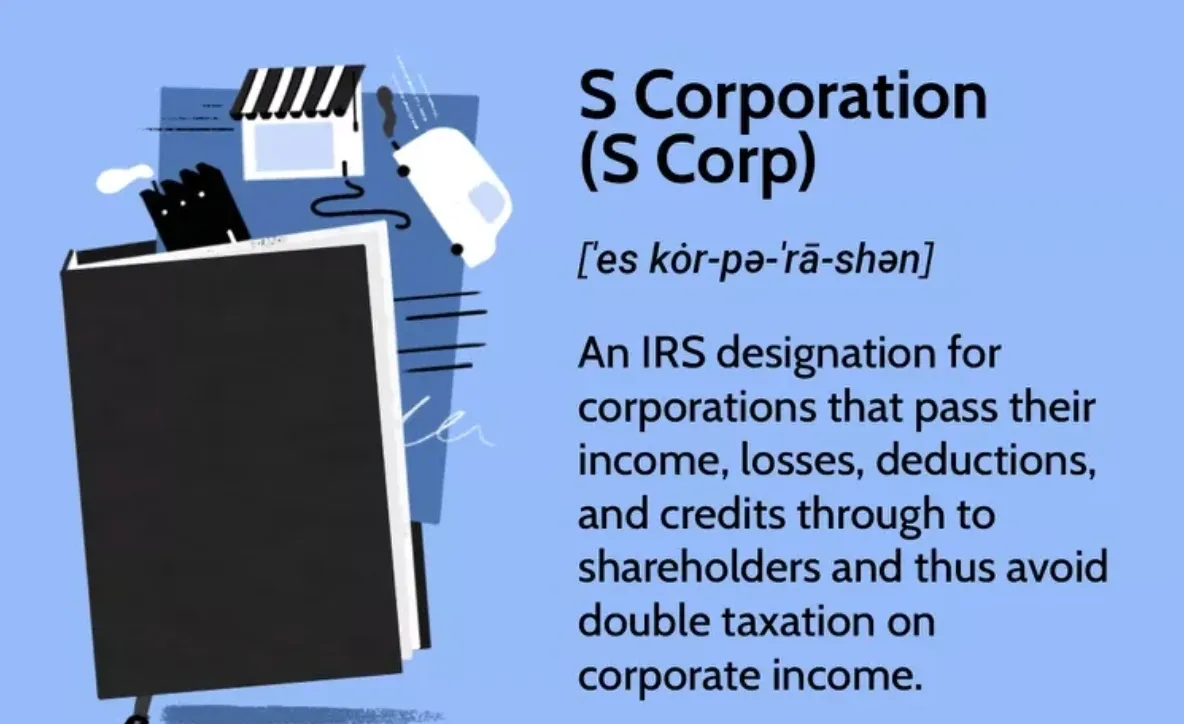
For small business owners looking to reduce their tax burden, electing S Corporation (S Corp) status can be a powerful strategy. However, making this election at the right time is crucial to maximize savings and ensure compliance with IRS rules. This guide will help you determine when and why to elect an S Corp for your business.
What is an S Corporation?
An S Corporation is a pass-through entity, meaning that profits and losses pass through to the owners’ personal tax returns, avoiding double taxation. Unlike a traditional C Corporation, an S Corp allows business owners to take both a salary and distributions, which can help reduce self-employment taxes.
Key Tax Benefits of an S Corporation
- Avoiding Double Taxation – Unlike C Corps, which pay corporate taxes and then owners pay taxes on dividends, an S Corp’s income is taxed only once at the shareholder level.
- Lower Self-Employment Taxes – Owners only pay self-employment taxes on their salary, not on distributions, which can significantly reduce tax liability.
- Deductible Business Expenses – S Corps can deduct ordinary business expenses, reducing taxable income.
- Potentially Lower Audit Risk – S Corps are audited less frequently than sole proprietorships and partnerships.
When Should You Elect S Corporation Status?
1. When Your Business Profits Exceed $40,000–$50,000
If your net profit is consistently above $40,000–$50,000, electing S Corp status can help save on self-employment taxes. As a sole proprietor or LLC, you pay 15.3% self-employment tax on all business profits. With an S Corp, only your salary is subject to this tax, and additional profits can be taken as distributions, which are not subject to self-employment tax.
2. If You Plan to Pay Yourself a Reasonable Salary
As an S Corp owner, you must pay yourself a “reasonable salary” before taking distributions. If your business generates sufficient income to support a reasonable salary and still have leftover profits, it may be time to make the switch.
3. Before March 15 to Apply for the Current Tax Year
To elect S Corp status for the current tax year, you must file Form 2553 with the IRS by March 15. If you miss this deadline, you can still file for the next year or request late election relief if you meet certain IRS criteria.
4. When You’re Ready for Increased Compliance and Payroll Responsibilities
S Corps require more formalities than sole proprietorships or LLCs, including:
- Running payroll and filing quarterly payroll tax returns.
- Keeping accurate bookkeeping records.
- Holding annual shareholder meetings and maintaining meeting minutes.
If you’re prepared to handle these additional responsibilities or hire a professional to assist, electing an S Corp could be a smart tax move.
Who Should NOT Elect S Corporation Status?
- Businesses with Low or No Profit – If your business makes less than $40,000 in profit, the administrative costs of an S Corp may outweigh the tax savings.
- Businesses Planning to Keep Earnings in the Company – If you want to reinvest most of your profits back into the business, an S Corp might not be the best choice.
- Companies with Many Shareholders or Foreign Owners – S Corps have strict ownership rules: they can have no more than 100 shareholders and cannot have non-U.S. citizen owners.
How to Elect S Corp Status
- Ensure your business is a LLC or C Corporation.
- File Form 2553 with the IRS by March 15 for the current tax year.
- Set up a reasonable salary through payroll.
- Follow ongoing compliance requirements, including quarterly payroll filings and shareholder meetings.
Final Thoughts
Electing S Corporation status can be a great way to reduce self-employment taxes and maximize tax savings, but timing is key. If your business is generating at least $40,000+ in profit, you plan to pay yourself a reasonable salary, and you’re ready to handle additional compliance requirements, it may be the perfect time to make the switch.
Not sure if an S Corp is right for you? Consult a tax professional to evaluate your specific situation and determine the best strategy for your business!

Leave a Reply